

Custom Shirt Sewing & Finishing Options
Review stitching, seam construction, reinforcement, pressing, trimming, inspection, and final packing before bulk shipment.
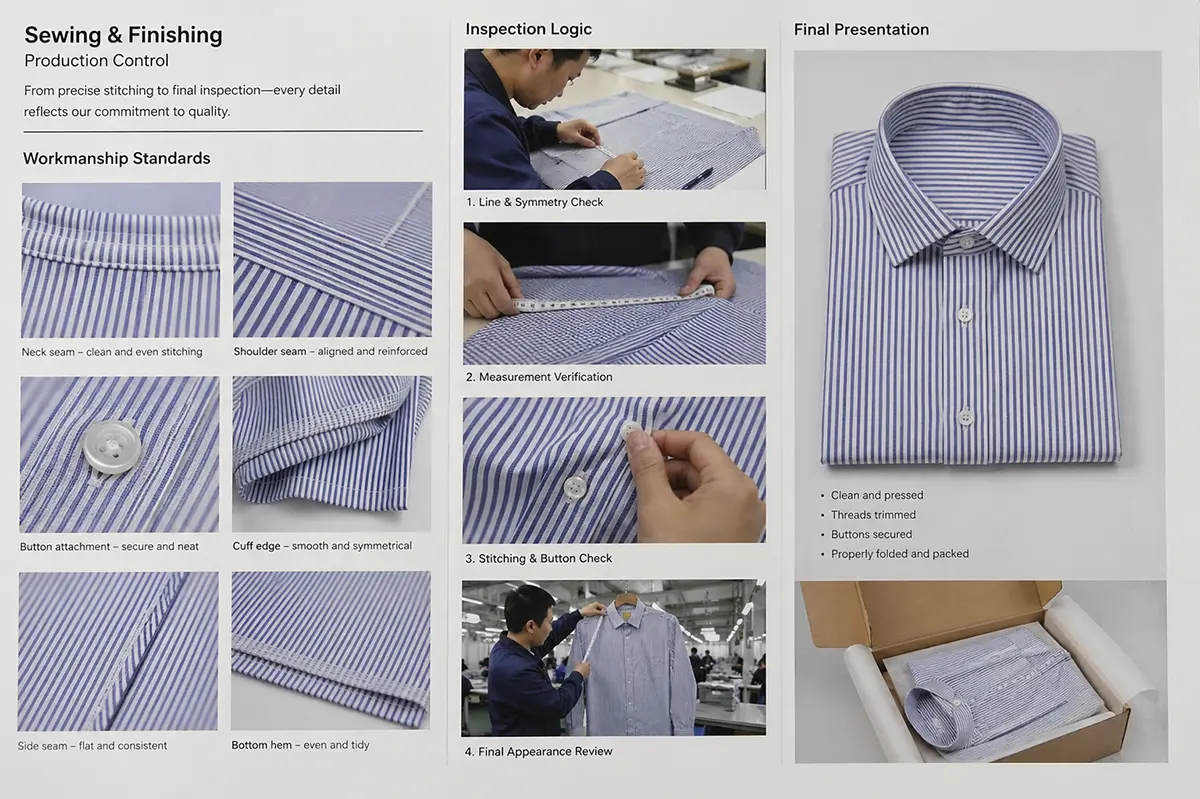
Sewing and Finishing Control for Bulk Shirt Orders
We check stitching, seams, pressing, thread trimming, and final appearance against the approved sample before packing.
Key Sewing and Finishing Checks
These details affect how each shirt looks, fits, feels, and holds up across a bulk order.

1. Stitch Consistency
Even stitch spacing gives the shirt a cleaner look and supports daily wear.
2. Seam Finish
Clean inside seams improve comfort and make the garment look better on inspection.

3. Collar and Cuff Shape
Collars and cuffs are checked for balance, edge sewing, and final shape.
4. Pressing
Proper pressing gives shirts a sharper look before folding, packing, or retail display.
5. Thread Trimming
Loose threads, stains, skipped stitches, and visible defects are checked before shipment.
6. Final QC
Final checks help bulk shirts stay consistent with the approved sample.
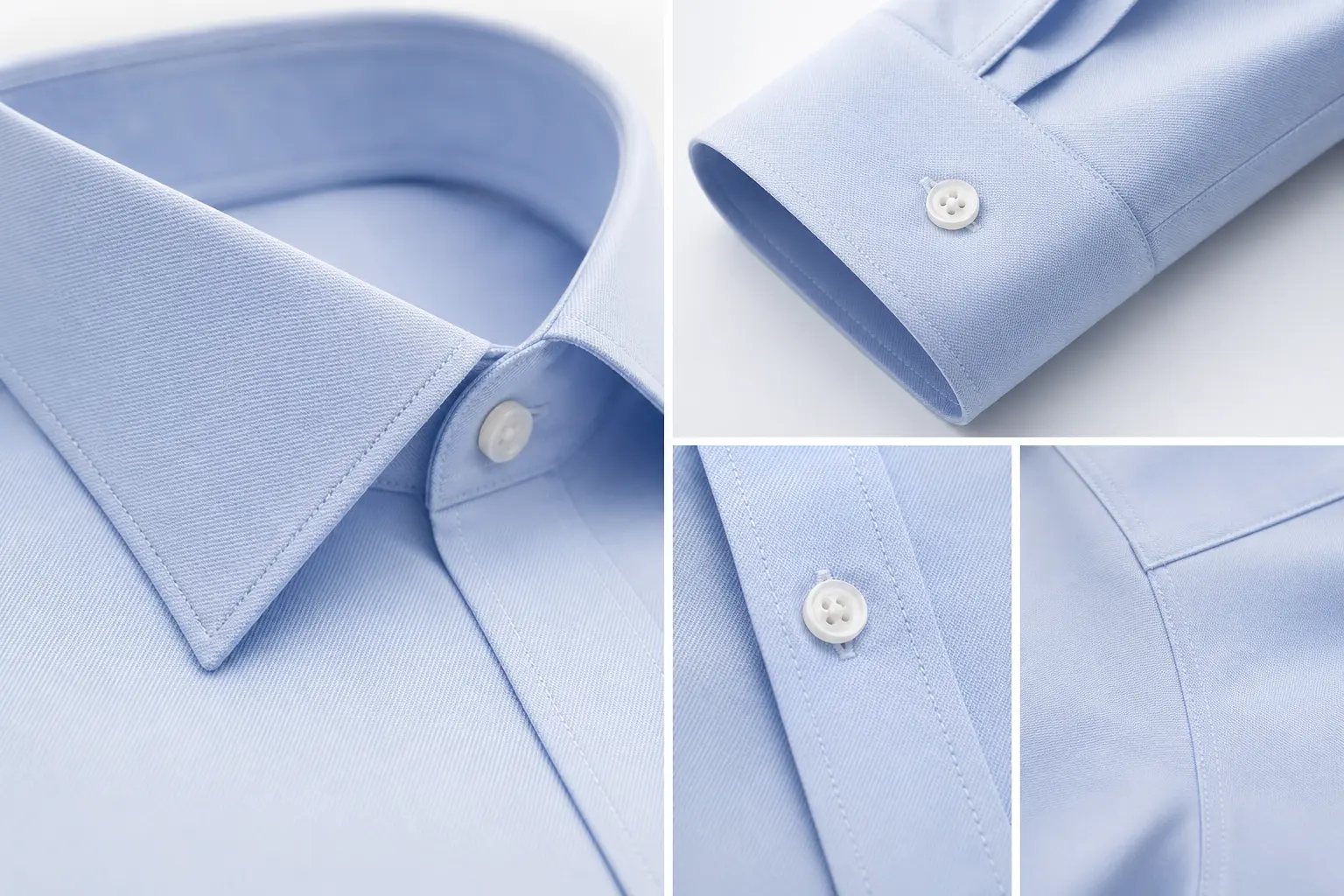
Single Needle Stitching
Single needle stitching creates a clean, flat seam with less bulk. It suits dress shirts, business shirts, and private label programs that need a refined finish.
- Clean Seam Line - Creates a neat, flatter seam for a more polished look.
- Dress Shirt Friendly - Works well with poplin, twill, herringbone, and other formal shirt fabrics.
- Sharper Details - Useful for collars, cuffs, plackets, and side seams.
- Sample-to-Bulk Control - Stitch spacing and seam alignment should match the approved sample.
Double Needle Stitching
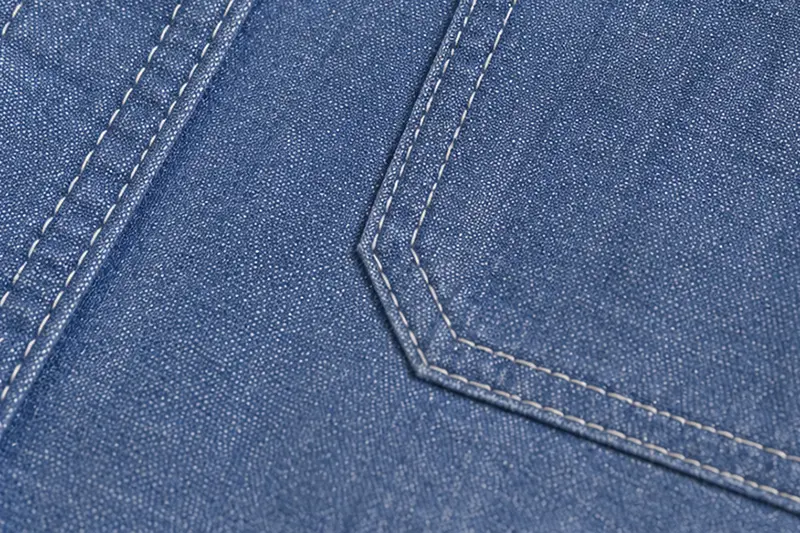
Double needle stitching uses two parallel stitch lines for added seam strength. It is often used on casual shirts, work shirts, uniforms, and heavier fabrics.
- Stronger Seam Support - Adds support to seams used often in daily wear.
- Workwear Look - Gives shirts a stronger, more casual construction detail.
- Heavier Fabric Use - Suitable for denim, twill, flannel, chambray, and workwear fabrics.
- Even Line Spacing - Parallel stitch lines need to stay straight and balanced.
Overlock Sewing
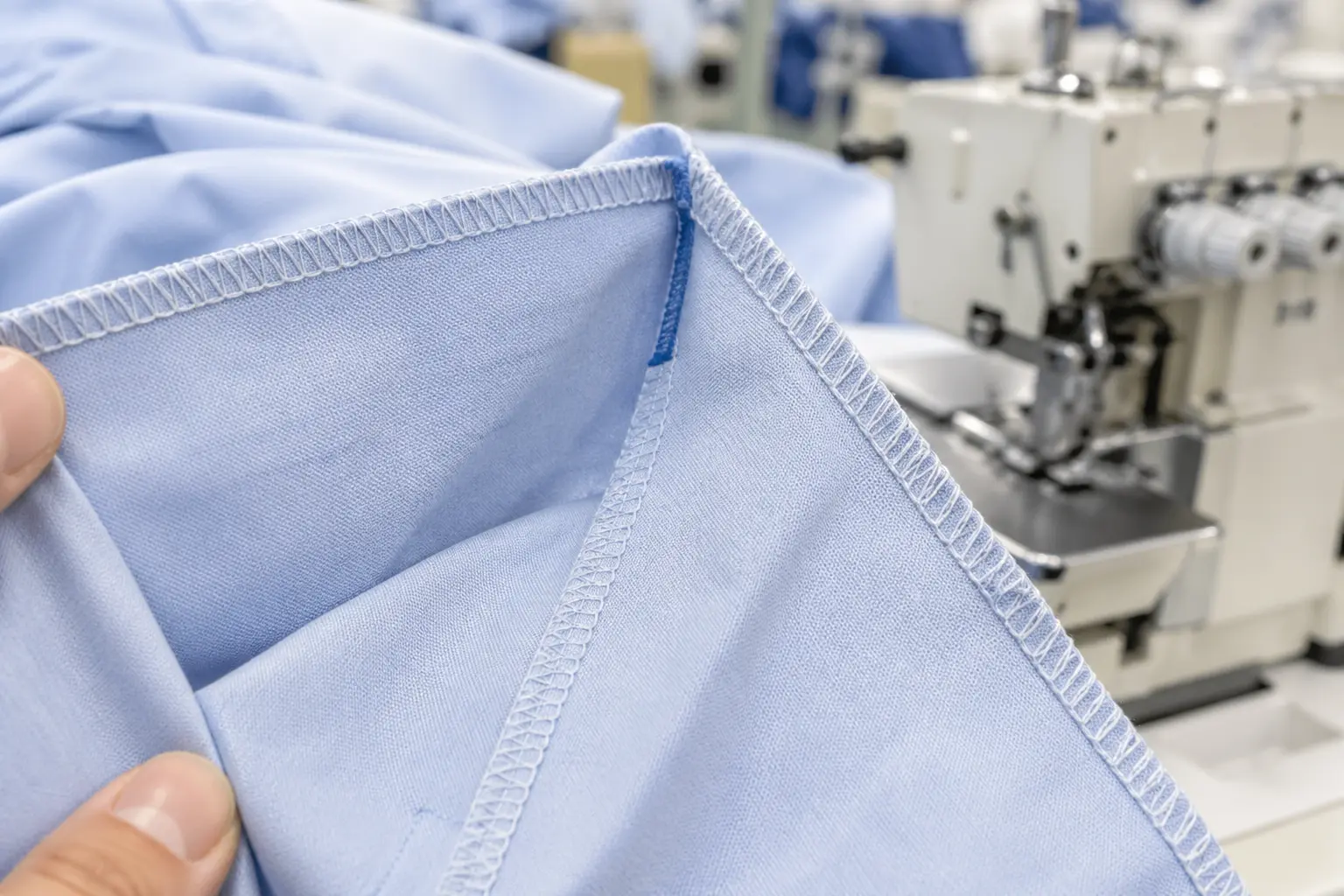
Overlock sewing finishes raw fabric edges and helps reduce fraying. It is mainly used inside shirts where the seam needs a clean, practical finish.
- Edge Protection - Wraps the raw edge to help keep the inside seam stable.
- Efficient for Bulk Orders - A practical finish for uniforms, casual shirts, and standard shirt programs.
- Wide Fabric Use - Works with cotton, polyester blends, flannel, rayon, and lightweight fabrics.
- Clean Inside Finish - Thread tension and trimming need to be controlled for a neat result.
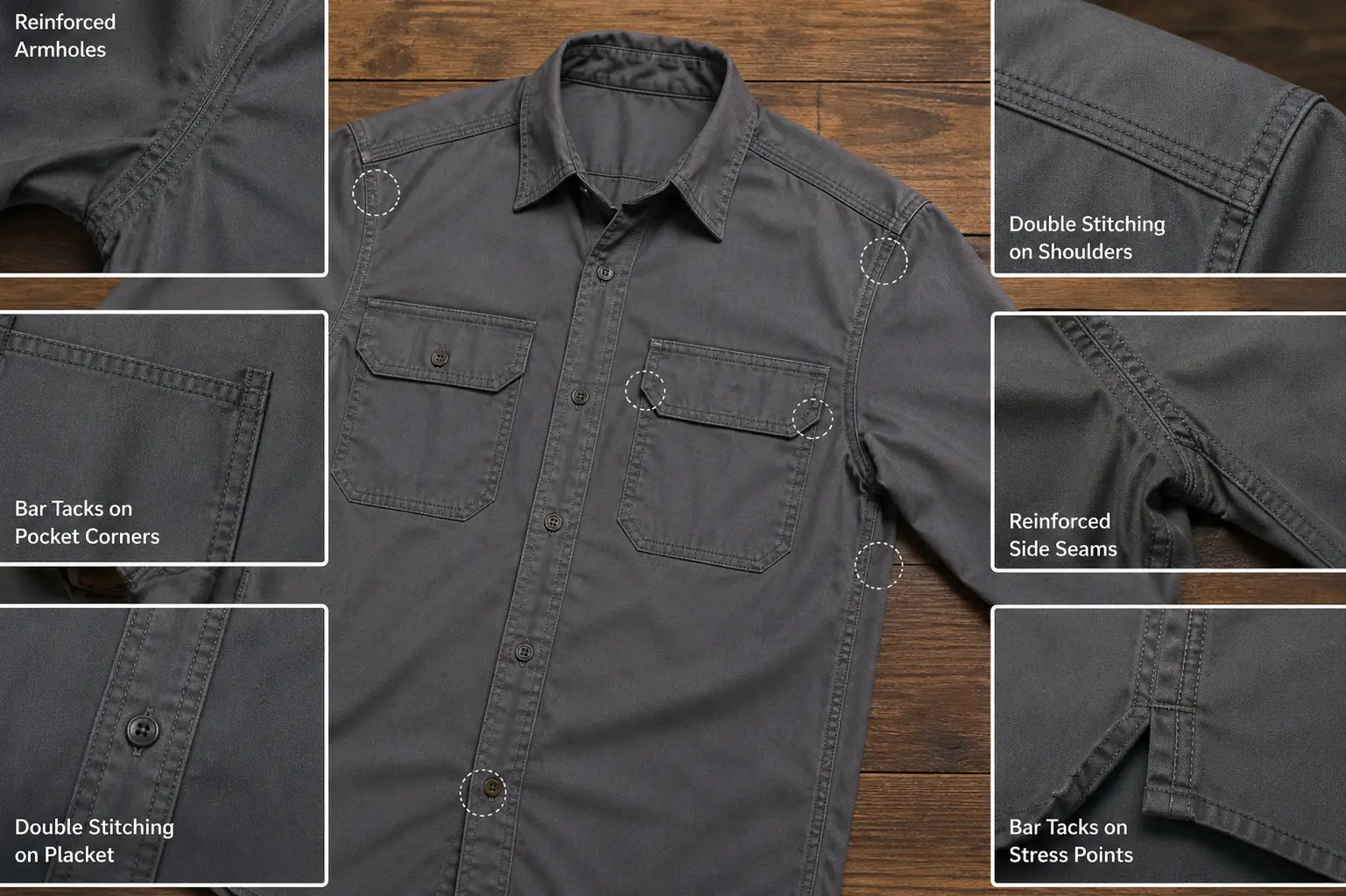
Reinforcement for High-Stress Areas
Some shirt areas take more pulling, rubbing, or movement during wear. Work shirts, uniforms, and active-use shirts may need extra reinforcement in these points.
- Daily Movement Areas - Armholes, side seams, pocket corners, yokes, and sleeve openings may need added support.
- Workwear Use - Active job shirts need stronger construction in areas that pull or rub often.
- Different Reinforcement Methods - Options include stronger thread, double stitching, extra fabric layers, or selected bar tacks.
- Built for the Shirt Type - Dress shirts and utility shirts should not use the same reinforcement plan.
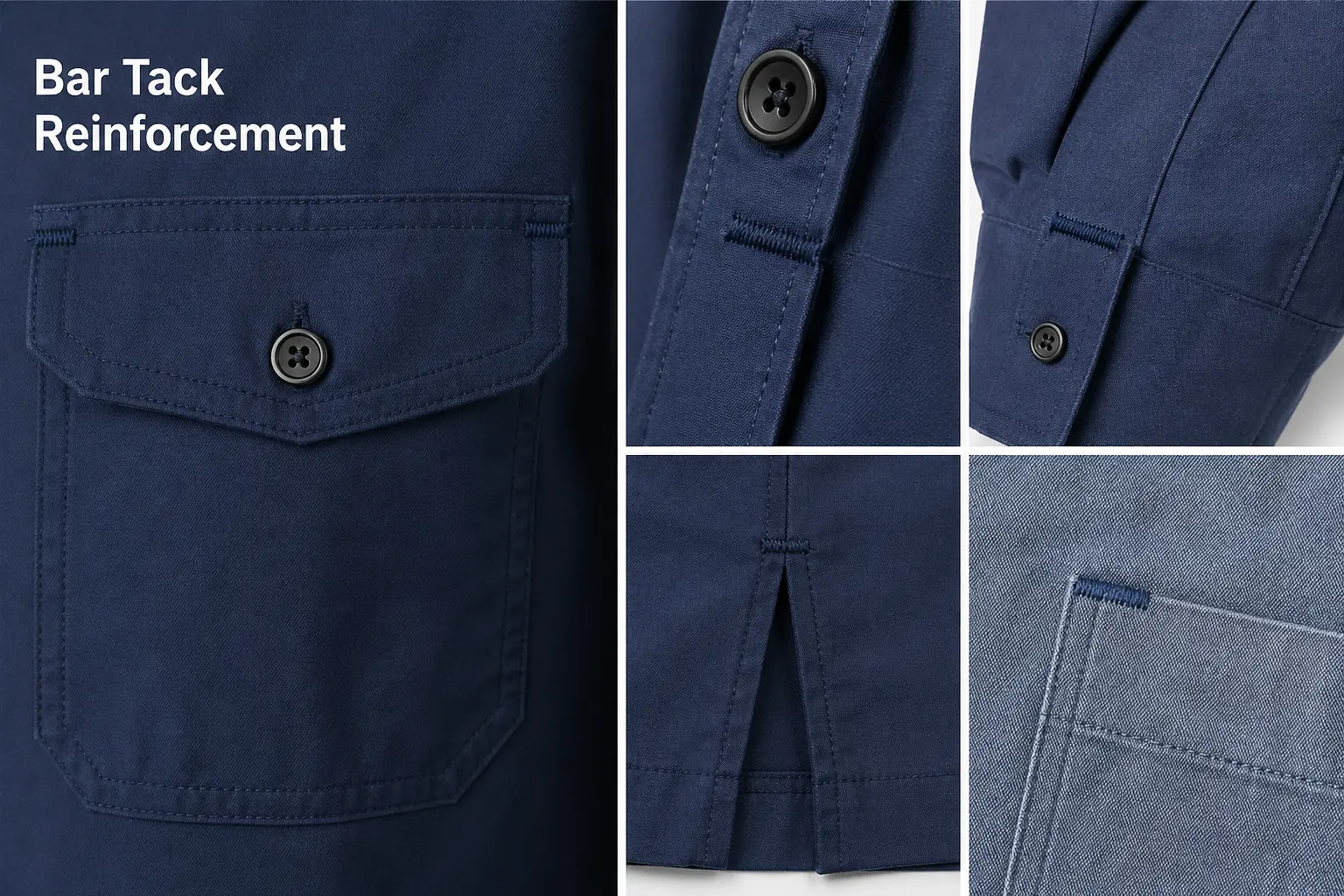
Bar Tack Reinforcement
Bar tacks are short, dense stitches placed on small stress points. They are commonly used on pocket corners, sleeve plackets, side vents, bottom openings, and selected workwear details.
- Small but Strong - Reinforces small areas that receive frequent pulling.
- Clear Placement Points - Common areas include pocket corners, sleeve plackets, side vents, and bottom openings.
- Useful for Uniforms - Helps work shirts and uniforms handle repeated movement and washing.
- Planned Placement - Bar tacks should support function without making the shirt look too heavy.
Review Your Sewing and Finishing Details
Send your shirt style, fabric, sample reference, stitching standard, reinforcement points, and packing needs. We can review the details before sampling or bulk production.
Send Your Production DetailsFrequently Asked Questions
Common questions about sewing, finishing, reinforcement, and bulk shirt quality checks.