

Custom Shirt Placket Options
Compare front placket constructions that affect shirt structure, formality, branding space, and the overall front line of the garment.
Compare Common Shirt Placket Styles
Select a front construction that fits your shirt type, dress code, fabric, and production requirements.

1. Standard Plackets
A classic option for business shirts, office uniforms, and everyday custom orders.

2. French Fronts
A clean front finish for dress shirts, premium business styles, and private label collections.

3. Hidden Plackets
Conceals the buttons for a neat front, often used for formal shirts, hospitality uniforms, and more refined styles.
4. Plain Fronts
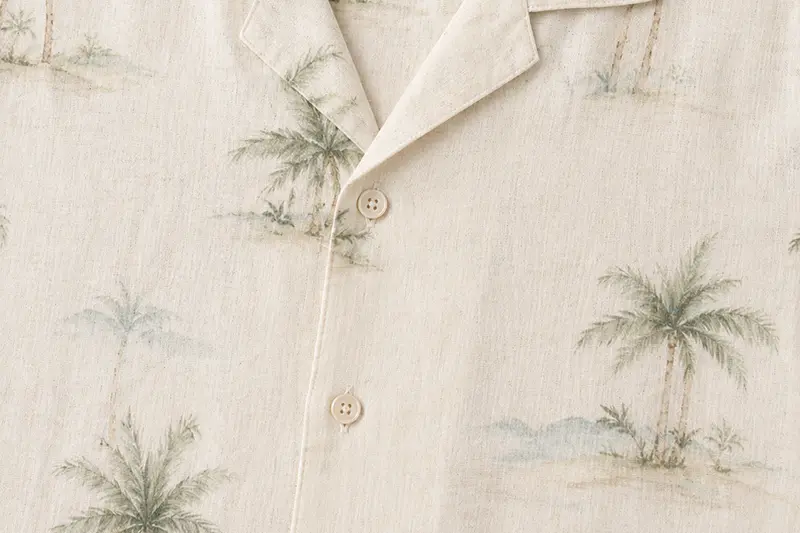
A clean option for casual shirts, printed fabrics, camp collars, and relaxed uniform styles.

5. Placket Width
Width affects front proportion, button placement, stitching room, and the overall shirt style.

6. Button Spacing
Spacing should match shirt length, placket width, button size, and wearer comfort.
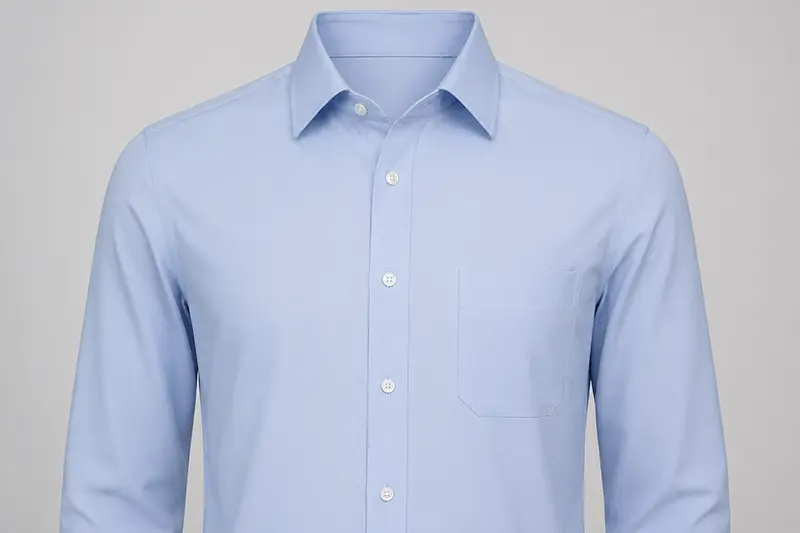
Standard Front Placket
A standard front placket uses a visible folded strip along the button line. It gives custom shirts a clean, familiar structure for business, school, and uniform programs.
- Classic Front Look - A visible placket keeps the shirt front simple and familiar.
- Stable Button Area - Extra folded fabric supports buttons and buttonholes.
- Good for Bulk Orders - Works well for office shirts, school shirts, and team uniforms.
- Easy to Repeat - Width, button spacing, and stitching can stay consistent across sizes.
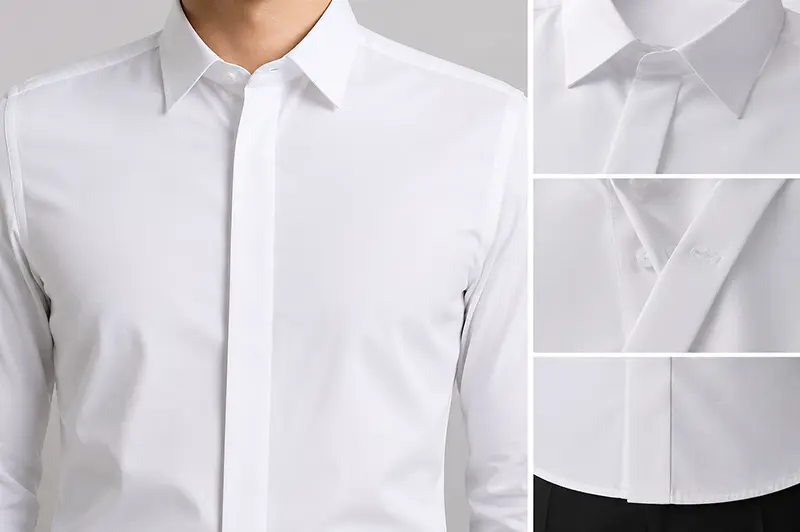
Hidden Placket
A hidden placket covers the buttons with an extra fabric layer. It creates a clean front for formal shirts, uniforms, and minimalist styles.
- Clean Front Appearance - Concealed buttons give the shirt a smooth, refined look.
- Good for Formal Shirts - Suitable for dress shirts, tuxedo shirts, and corporate uniforms.
- Protected Button Area - The cover layer helps reduce direct button exposure.
- Precise Sewing Needed - The layer must sit flat, with neat edges and accurate buttonholes.
French Front
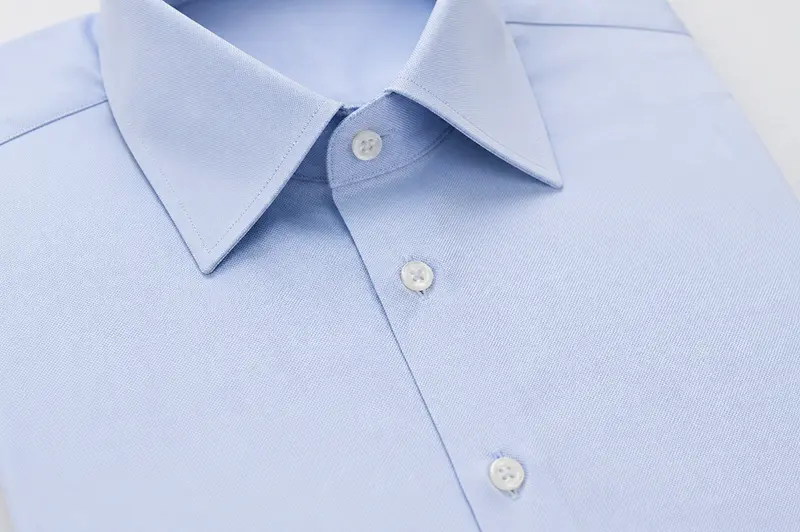
A French front has no visible placket strip on the outside. The button area folds into the shirt front for a flatter, more refined appearance.
- Clean Front Look - The shirt front appears flatter and more streamlined than a standard raised placket.
- Best for Dress Shirts - Commonly used for formal shirts, office shirts, and premium business styles.
- Minimal Visual Bulk - Keeps the front simple and neat, especially under a jacket or suit.
- Requires Precise Sewing - The fold, buttonholes, and front alignment all need careful control during construction.
Plain Front
A plain front keeps the shirt clean with minimal visible placket detail. It works well for casual shirts, camp collar styles, and printed fabrics.
- Clean Front Line - Creates a simple, relaxed look without a raised placket strip.
- Works for Casual Styles - Suitable for camp collar shirts, Hawaiian shirts, resort shirts, and relaxed uniforms.
- Better for Prints - Helps all-over prints look smoother across the front body.
- Sample Check Needed - Button spacing, neckline opening, and front edge sewing should be approved before bulk production.
Placket Width
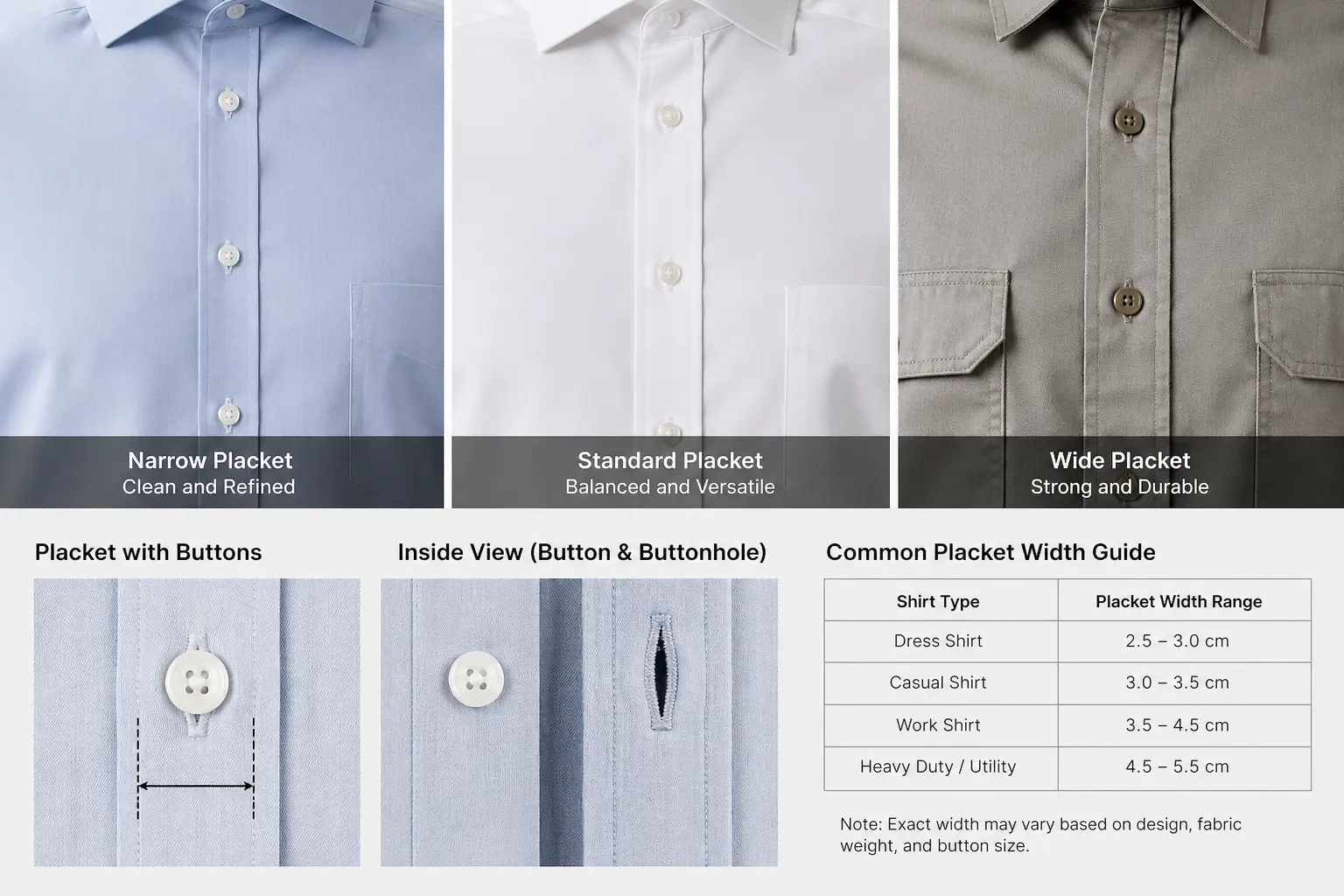
Placket width changes the look and strength of the button area. It should match the shirt style, fabric weight, button size, and stitching method.
- Controls Front Proportion - Wider plackets look stronger; narrower plackets feel cleaner.
- Matches Button Size - The width must allow enough room for buttonholes and stitching.
- Fits the Shirt Type - Work shirts may need a stronger placket, while dress shirts usually look better with a cleaner width.
- Keeps Bulk Orders Consistent - Width measurements should stay even across all sizes.
Ready to Confirm Your Shirt Placket Details?
Send us your shirt style, fabric choice, placket preference, button size, and quantity. We can review the front construction and suggest a practical option for sampling or bulk production.
Request a QuoteFrequently Asked Questions
Common questions about shirt placket styles, front construction, and production details.