

Custom Shirt Button Options
Choose button materials, colors, sizes, and attachment methods for custom business shirts, uniforms, and private label orders.
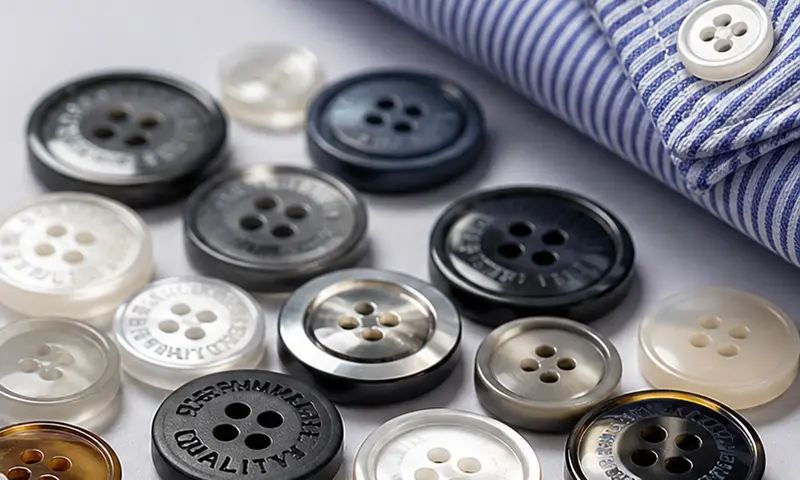
Small Buttons Can Change the Whole Shirt
Buttons affect a shirt’s look, closure, and long-term wear. We help buyers compare material, color, size, and attachment method alongside shirt placket options, logo and branding details, and custom packaging, so each shirt feels practical, consistent, and ready for sale or team use.
Button Options for Custom Shirts
Compare materials, colors, finishes, and sewing methods for business shirts, uniforms, and private label programs.
1. Resin Buttons
A reliable choice for business shirts, uniforms, and repeat bulk production.
2. Imitation Shell Buttons
Adds a refined look while keeping volume orders practical.
3. Dyed-to-Match Buttons
Keeps the button color close to the fabric for a cleaner finish.
4. Contrast Buttons
Adds a visible design detail for casual shirts, team shirts, and branded collections.
5. Cross-Stitch Button Sewing
Creates a tidy button finish and helps buttons hold through regular wear and washing.
6. Spare Button Planning
Extra buttons can be packed with care labels or polybags for easier after-sales support.
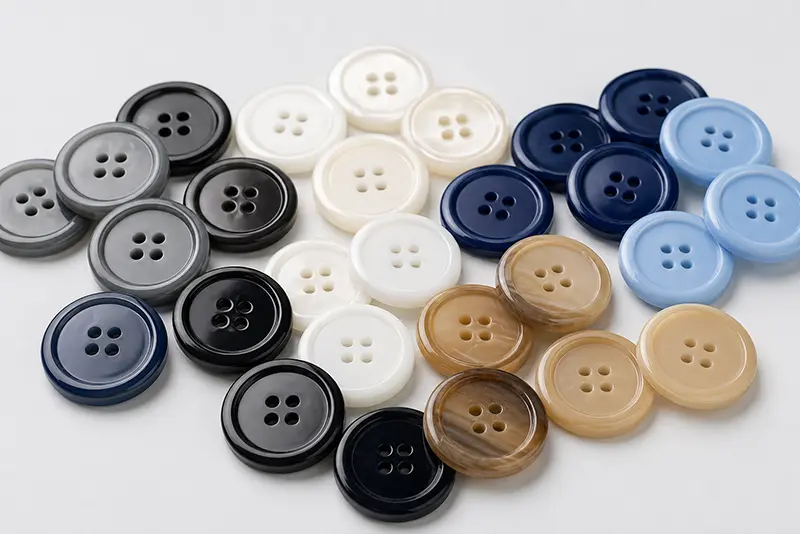
Resin Buttons
Resin buttons are widely used on custom shirts for stable color, reliable strength, and flexible surface effects. They work well for business shirts, uniforms, and casual programs.
- Reliable for Daily Wear - Resin buttons hold up well through regular washing and repeated use.
- Flexible Color Effects - They can be made in solid, pearl-like, horn-like, or custom color finishes.
- Good for Repeat Orders - Size, color, and supply are easier to control for bulk and reorder production.
- Works Across Many Styles - Suitable for office shirts, uniforms, casual shirts, and private label collections.
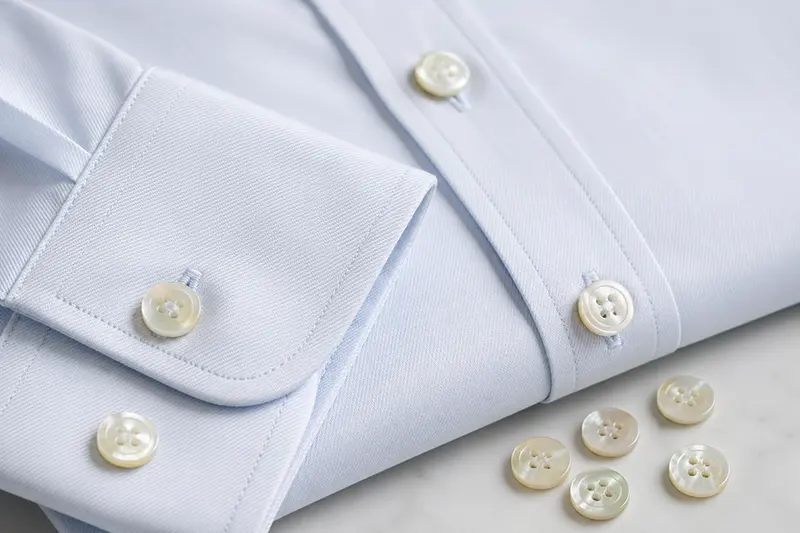
Shell Buttons
Shell buttons add a refined, natural finish. They are often chosen for premium dress shirts, private label shirts, and higher-end casual collections.
- Natural Pearl Finish - Shell buttons have depth and shine that basic plastic cannot fully match.
- Premium Shirt Detail - They help dress shirts and private label styles feel more complete.
- Natural Variation - Small color and texture differences are part of the material’s character.
- Handle with Care - Shell can be more brittle than resin or plastic, so sewing and washing tests matter.
Plastic Buttons
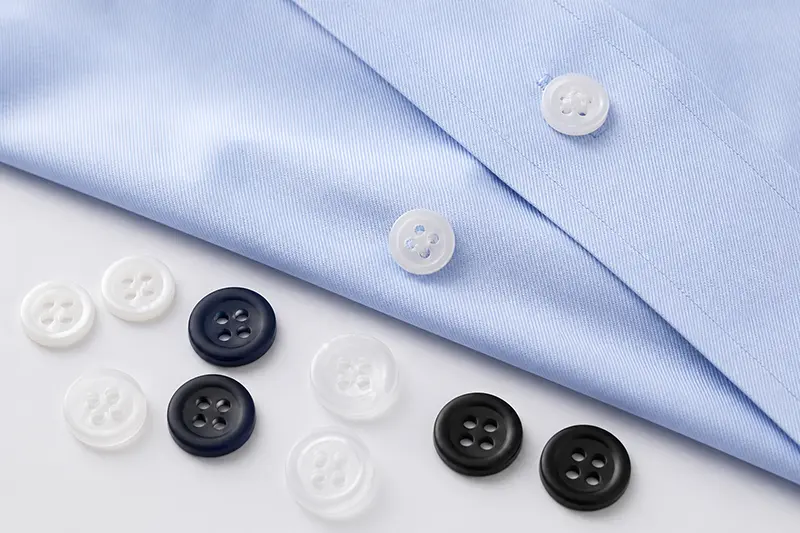
Plastic buttons are a practical, cost-conscious choice for many shirt orders. They are common on uniforms, school shirts, promotional shirts, and high-volume programs.
- Cost Control - Plastic buttons help keep pricing stable for large orders.
- Lightweight Trim - They add little weight, which works well for daily uniforms.
- Wide Color Range - White, clear, black, navy, and custom colors can be matched to different shirt bodies.
- Good for Standard Orders - A simple choice when buyers need clean, reliable button trim.
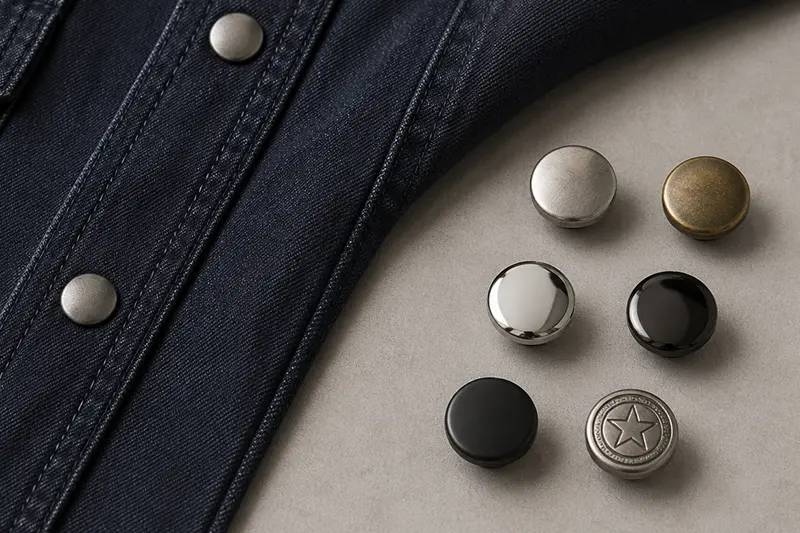
Metal Buttons
Metal buttons give shirts a stronger, more rugged look. They are often used on denim shirts, work shirts, overshirts, western styles, and selected fashion shirts.
- Rugged Visual Weight - Metal buttons make the shirt look more durable and workwear-inspired.
- Heavier Fabric Match - Denim, twill, canvas-style fabrics, and overshirts can carry metal buttons well.
- Several Finish Options - Matte, antique, brushed, shiny, black, and logo-engraved finishes are available.
- Reinforcement May Be Needed - Lightweight fabrics may need extra support for metal buttons or snaps.
Wooden Buttons
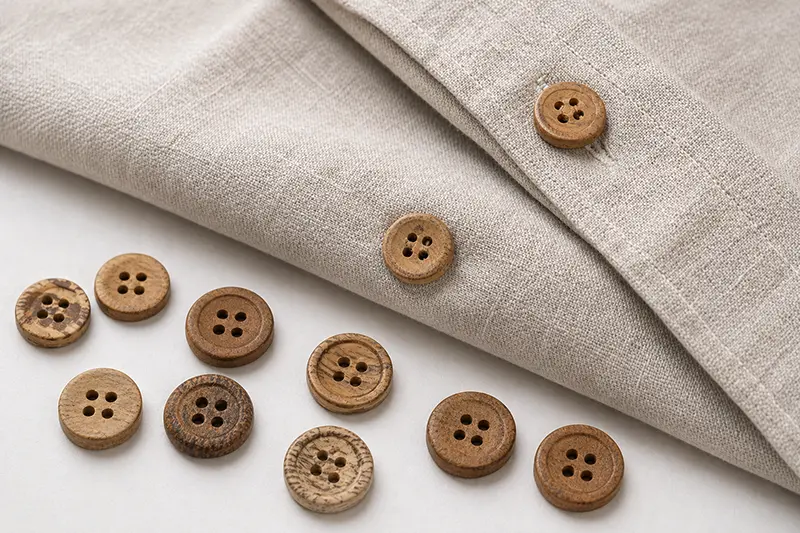
Wooden buttons add a natural, casual detail. They are often used on linen shirts, resort shirts, eco-style collections, and relaxed casual designs.
- Natural Grain - Wood texture gives each button a warm, organic look.
- Works with Linen Styles - Wooden buttons pair well with linen, cotton-linen blends, and earthy color palettes.
- Soft Brand Feel - A good fit for resort wear, handmade-inspired designs, and eco-focused collections.
- Care Testing Matters - Washing method, coating, and durability should be checked before bulk production.
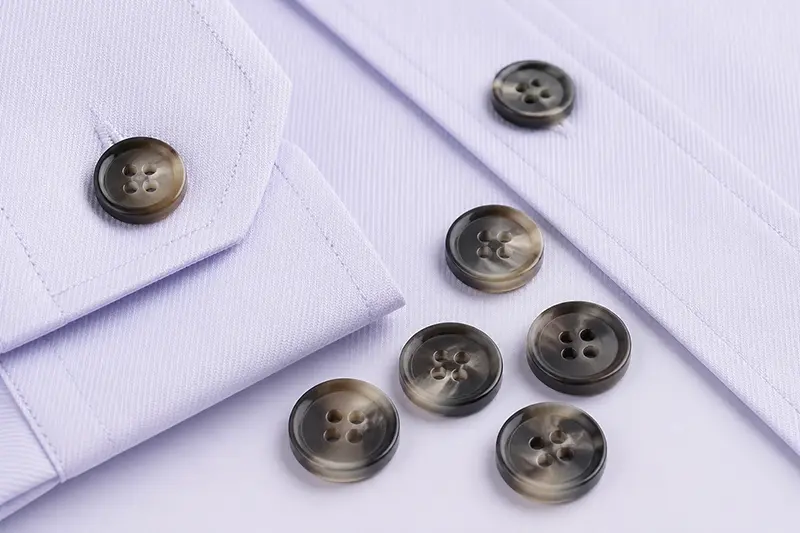
Urea Buttons
Urea buttons have a firmer hand feel and a cleaner appearance than many basic plastic buttons. They are often used for quality dress shirts and business shirts.
- Firmer Feel - Urea buttons usually feel more solid than standard plastic buttons.
- Clean Shirt Finish - They work well for office shirts, dress shirts, and higher-quality uniforms.
- Refined Surface Options - Urea buttons can be smooth, polished, or horn-like.
- Practical Upgrade - A useful option when buyers want a better trim without moving to natural shell.
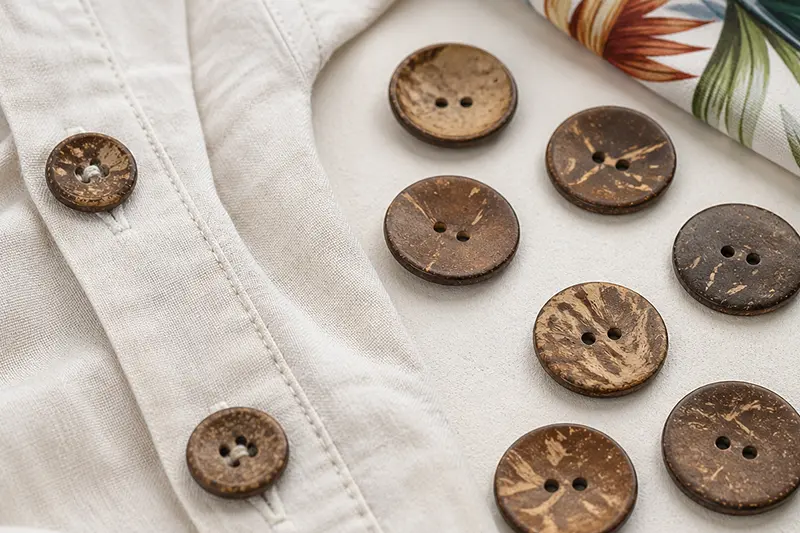
Coconut Buttons
Coconut buttons have a natural brown tone and visible texture. They work well for tropical shirts, resort shirts, linen shirts, and casual summer collections.
- Natural Brown Tone - Coconut buttons add an earthy detail that suits casual fabrics.
- Good for Hawaiian Shirts - They pair well with printed rayon, cotton, linen blends, and tropical shirt designs.
- Built-In Variation - Natural texture and color differences give the shirt a more organic finish.
- Best for Casual Programs - Coconut buttons suit relaxed styles better than formal business shirts.
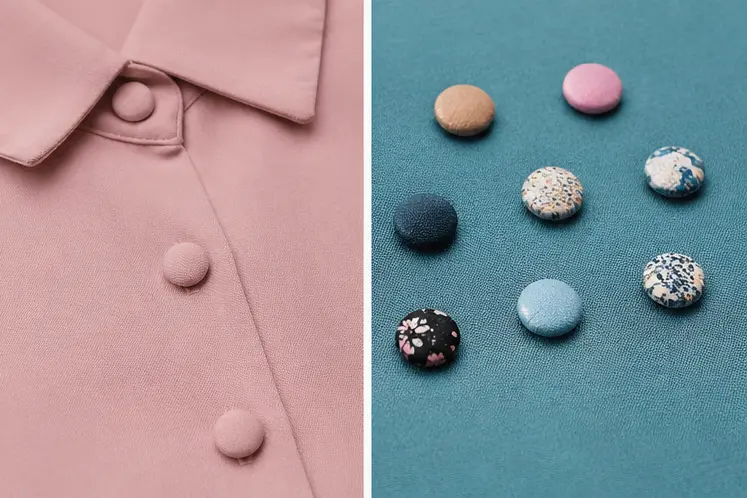
Fabric-Covered Buttons
Fabric-covered buttons use matching or contrast fabric wrapped over the button surface. They create a softer, more designed finish for special shirt styles.
- Matched Fabric Finish - Buttons can blend into the shirt body when covered with the same fabric.
- Good for Design Details - They work well for womenswear shirts, formal details, and special collections.
- Contrast Fabric Option - Printed or contrast fabric can turn the button into a small design feature.
- Fabric Limits Apply - Thick, textured, or stretchy fabrics may not wrap cleanly around the button.
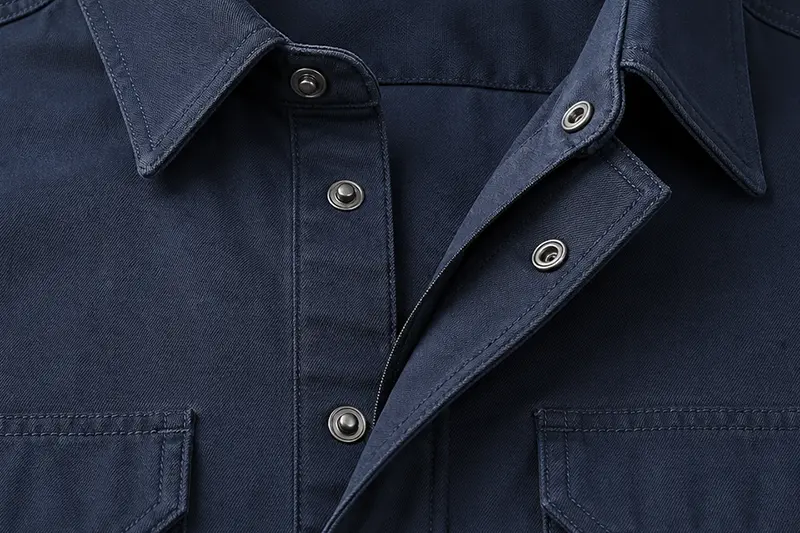
Hidden Snap Buttons
Hidden snap buttons keep the shirt front clean while making it faster to open and close. They are often used on work shirts, uniforms, western shirts, and functional designs.
- Fast Closure - Snaps open and close faster than standard sewn buttons.
- Clean Outside Face - A covered placket can hide the snaps for a smooth front.
- Good for Workwear - Stronger fabrics such as twill, denim, and work shirt blends handle snaps well.
- Reinforcement Needed - Snap areas may need extra fabric support to prevent tearing during use.
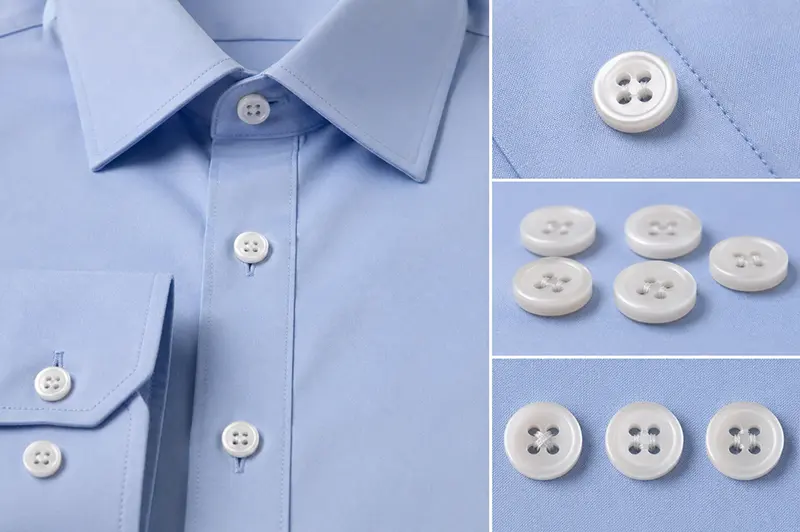
Four-Hole Buttons
Four-hole buttons are common on dress shirts, office shirts, uniforms, and casual shirts. They offer stable sewing and a classic shirt button look.
- Stable Attachment - Four holes allow stronger thread hold than many two-hole styles.
- Classic Shirt Look - This button type works across most formal and casual programs.
- Stitch Pattern Options - Buttons can be sewn with cross stitch, parallel stitch, or another approved pattern.
- Good for Daily Wear - A practical choice for shirts worn and washed often.
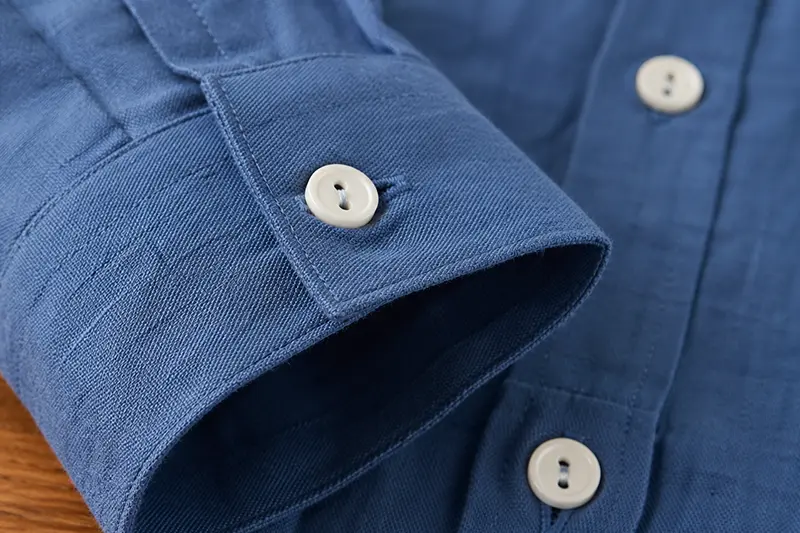
Two-Hole Buttons
Two-hole buttons have a simpler surface and are often used on casual shirts, lightweight shirts, and selected fashion styles. They give the button face a cleaner look.
- Simpler Button Face - Two holes create a cleaner, more minimal appearance.
- Good for Casual Shirts - They work well with linen shirts, resort shirts, and relaxed designs.
- Less Visible Stitching - The sewing line looks simpler than cross-stitched four-hole buttons.
- Strength Should Be Checked - For work shirts or heavy use, confirm thread quality and sewing strength.
Button Size
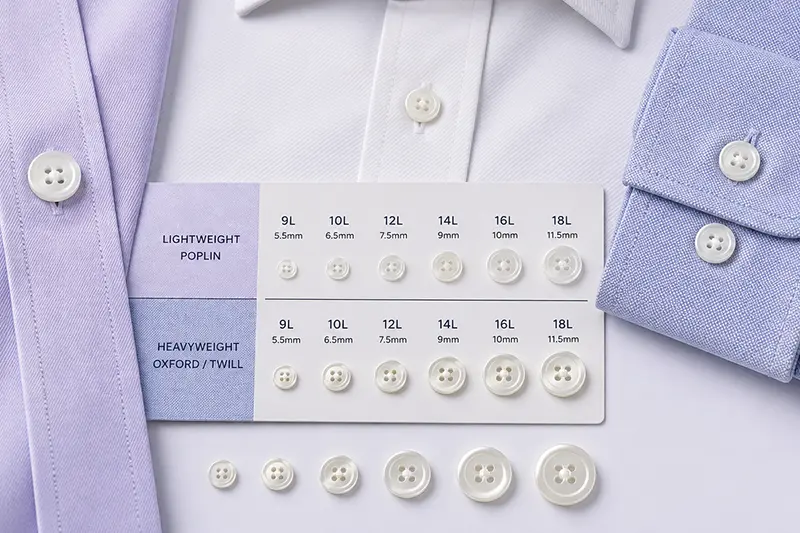
Button size affects both function and appearance. The right size should match the fabric weight, placket width, collar design, cuff structure, and overall shirt style.
- Changes Front Proportion - Larger buttons look stronger; smaller buttons feel cleaner and more formal.
- Must Match Buttonholes - Button size and buttonhole length should be developed together.
- Position Can Vary - Front, collar, and cuff buttons may use different sizes.
- Fabric Weight Matters - Heavier fabrics can carry larger buttons, while lightweight fabrics need smaller, lighter trims.
Button Thickness
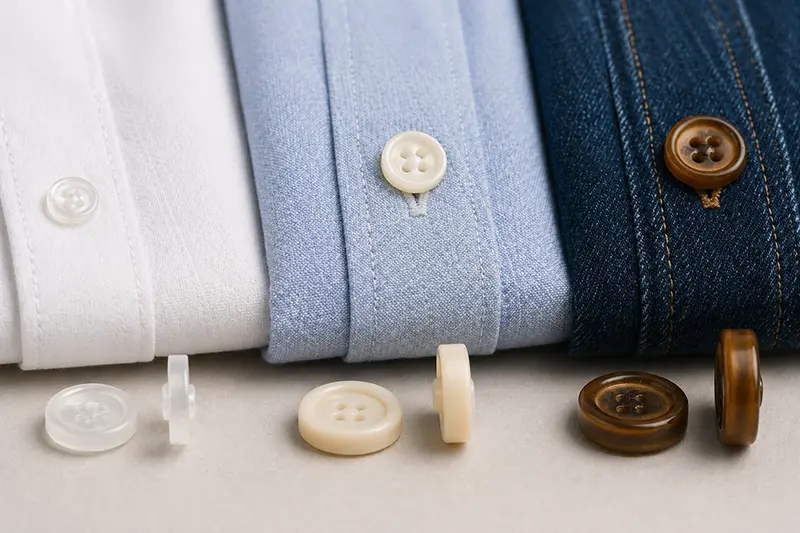
Button thickness changes the hand feel and how the button sits on the shirt. It should be selected based on fabric weight, shirt style, and wearing purpose.
- Changes Hand Feel - Thicker buttons feel more substantial; thinner buttons feel lighter and cleaner.
- Dress Shirt Balance - Thin to medium buttons often work better for formal shirts worn under jackets.
- Good for Heavy Shirts - Work shirts, denim shirts, and overshirts can use thicker buttons for balance.
- Buttonhole Fit Matters - Thick buttons need buttonholes that open and close smoothly.
Button Color
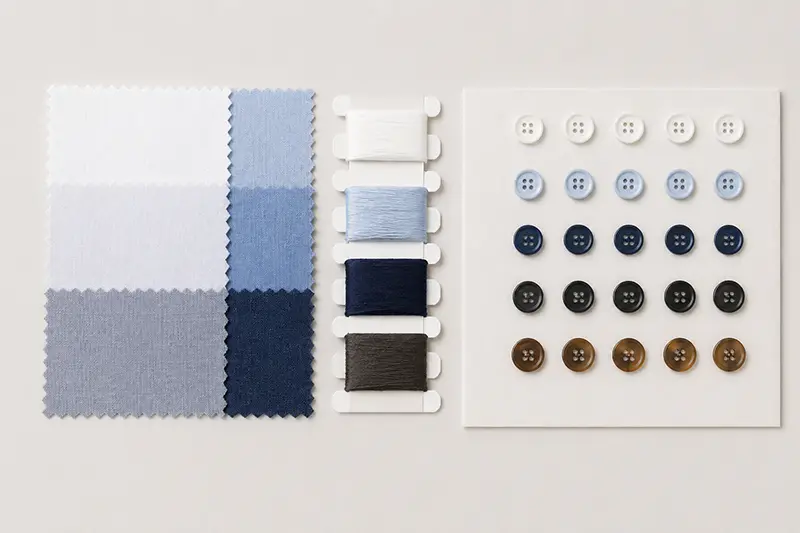
Button color can match the shirt for a clean finish or contrast with the fabric for a stronger design detail. This small trim choice affects the whole shirt front.
- Matching Color - Buttons can match the fabric for a simple business or uniform look.
- Contrast Color - Dark, light, horn-like, or brand-color buttons can make the shirt more distinctive.
- Brand Direction - Button color can connect with the logo, label, thread, or packaging.
- Bulk Consistency - Confirm the button shade before production, especially for repeat orders.
Button Surface Texture
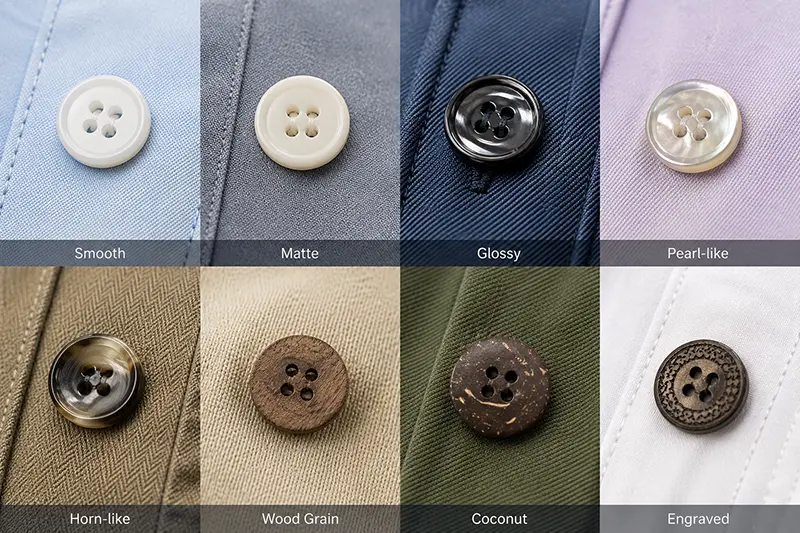
Button surface texture changes the shirt’s visual style. Smooth, matte, glossy, pearl-like, horn-like, wood grain, and engraved finishes all create different effects.
- Smooth Finish - Smooth buttons work well for clean office shirts and standard uniforms.
- Matte or Natural Texture - Matte, horn-like, wood, or coconut textures suit casual and workwear styles.
- Pearl-Like Finish - Shell or pearl-effect buttons can make dress shirts look more refined.
- Match the Shirt Positioning - A formal shirt and a rugged work shirt usually need different button textures.
Engraved Buttons / Logo Engraving
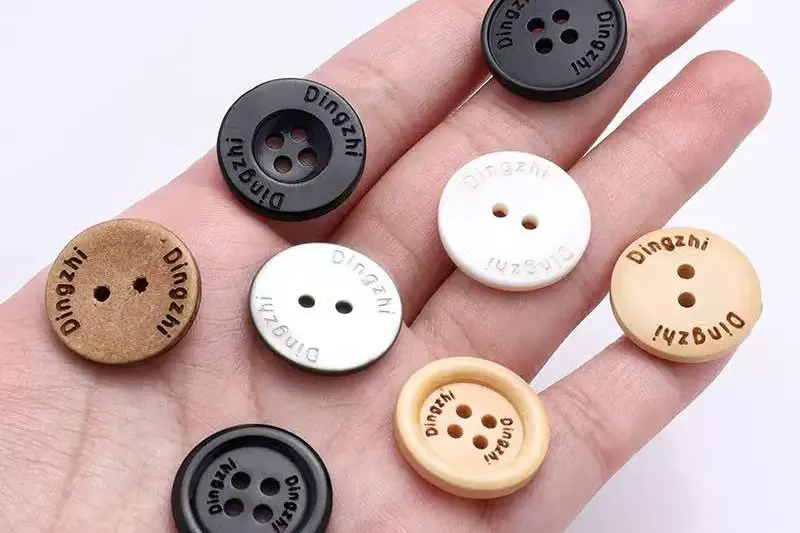
Engraved buttons place a logo, word, or small mark directly on the button surface. They work well for private label shirts and branded uniform programs.
- Subtle Brand Detail - Logo engraving adds branding without placing a large logo on the shirt body.
- Good for Private Label - Engraved buttons make the shirt feel more complete as a brand product.
- Simple Artwork Works Best - Small logos, initials, or short brand names read better than complex artwork.
- Sample Approval Needed - Engraving depth, button color, and readability should be checked before bulk production.
Spare Button Option
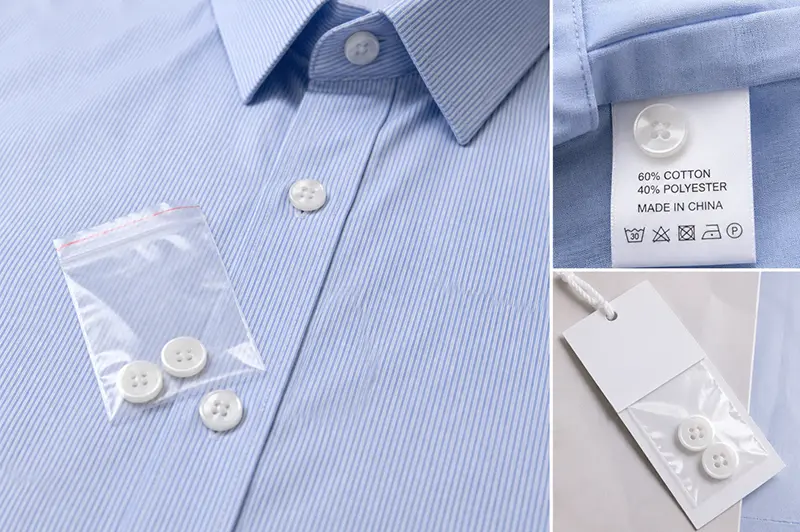
Spare buttons can be added to each shirt or packed separately for after-sales use. They are useful for uniforms, retail shirts, and repeat business orders.
- Useful for Long-Term Wear - Spare buttons help customers replace a lost or damaged button later.
- Common for Dress Shirts - One or more spare buttons can be sewn inside the shirt or attached to a care label.
- Good for Uniform Programs - Extra buttons reduce problems when teams wear the same shirts over time.
- Flexible Packing - Spare buttons can be sewn on the shirt, packed in a small bag, or included with the garment tag.
Need Help Choosing Buttons for Your Shirt Order?
Send your shirt style, fabric, order quantity, button preference, logo detail, and packing needs. We can suggest practical button options before sampling or bulk production.
Discuss Button OptionsFrequently Asked Questions
Answers to common questions about button choices for custom shirt orders.